The whole chart on one page — and the actual number beside every comparison.
Most size charts hand you a piece of fruit and nothing else. This one prints the measurement in centimetres and inches next to the drawing, because a comparison you cannot check is a comparison you have to take on faith.
How these are measured
Up to week 19 a baby is measured crown to rump — the top of the head to the bottom of the torso — because the legs are curled and cannot be measured reliably. From week 20 the measurement is head to heel, which is why the numbers jump between those two rows. It is a change of ruler, not a growth spurt.
Weeks one to three are dated from before conception and carry no size at all. Week four is the implantation week, described in the clinical source as approximately the size of a pinhead with no figure given, so none is printed here.
Every figure here is a typical measurement for that week. Real babies vary considerably, and a baby measuring above or below one of these numbers is usually just a baby. What matters clinically is the pattern of growth over time, which your midwife or doctor is tracking, and not a single row of a chart on the internet.
If a scan has given you a measurement that worries you, the person to ask is the one who took it.
Zohra draws each of these flowers at the real measurement on your phone, so the number stops being abstract. The true-scale stage shows the whole story in one place.
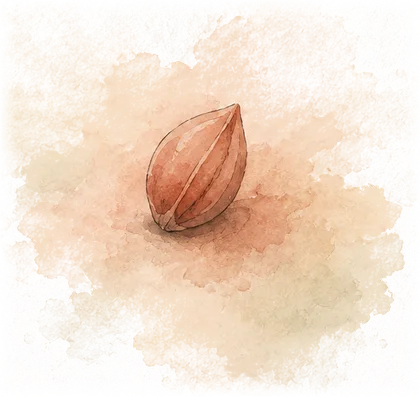 A seed, held
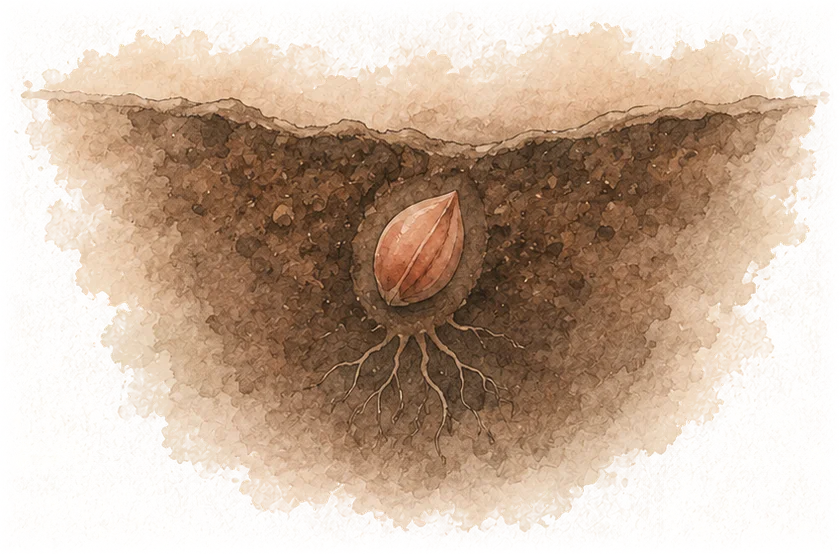 The seed in soil
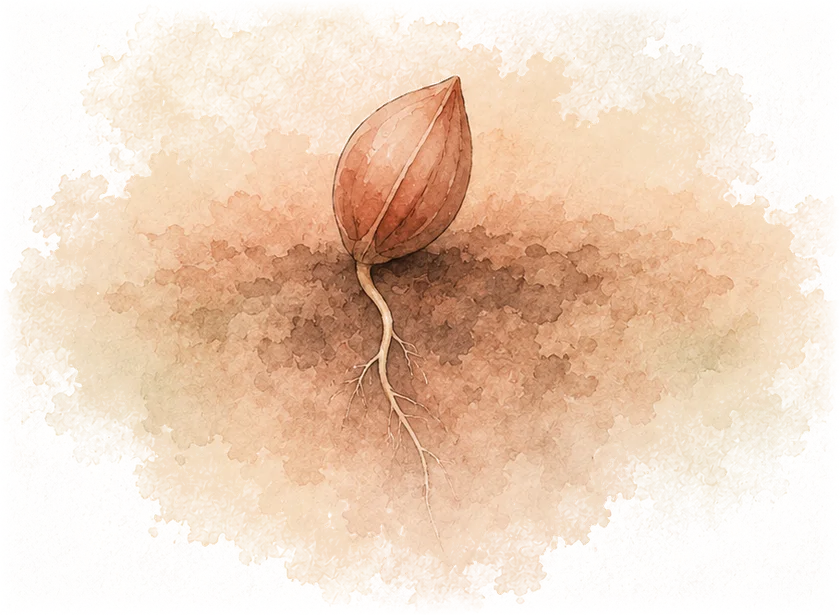 First root, unseen
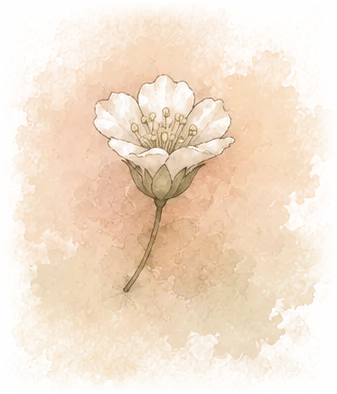 Baby's-breath floret
 Lilac floret
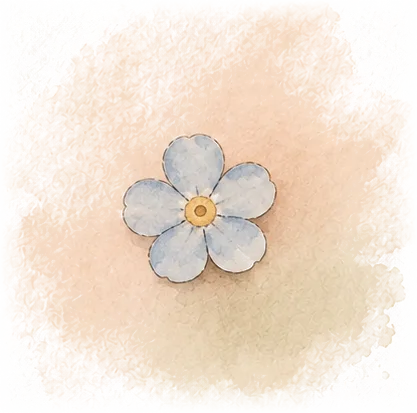 Forget-me-not
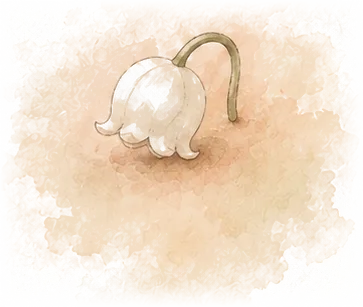 Lily-of-the-valley bell
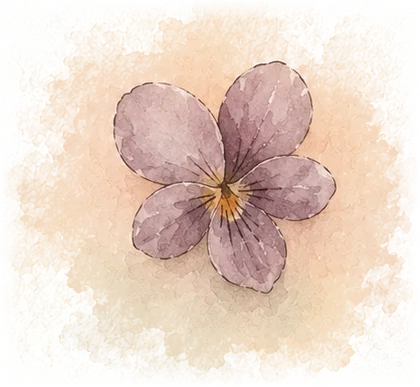 Violet
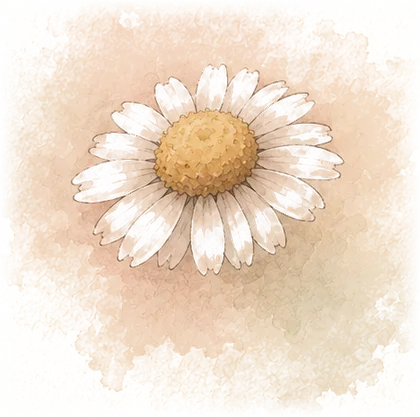 Chamomile bloom
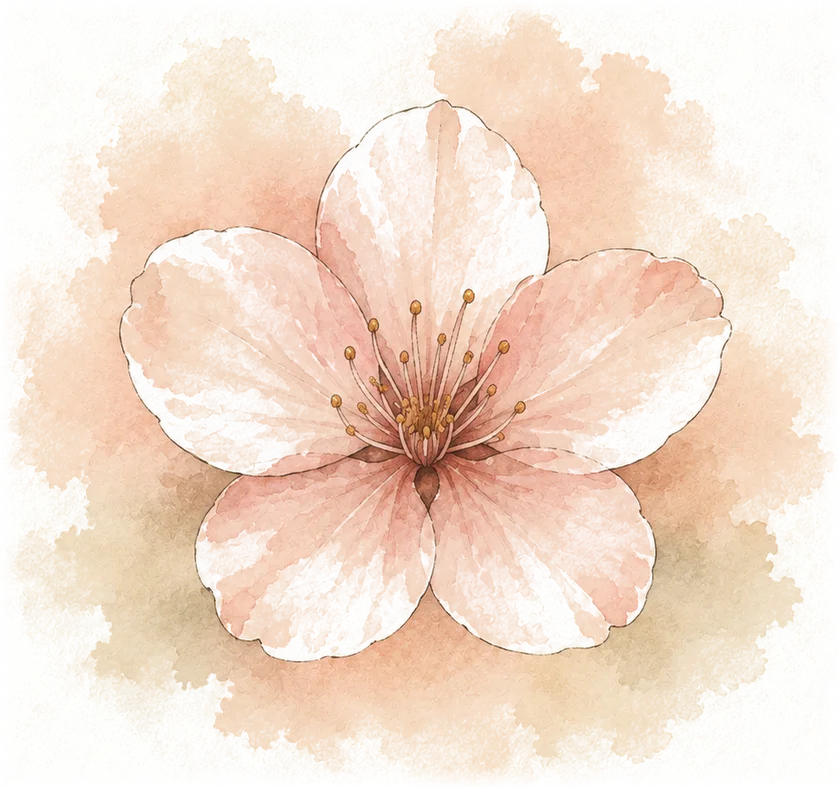 Cherry blossom
 Crocus
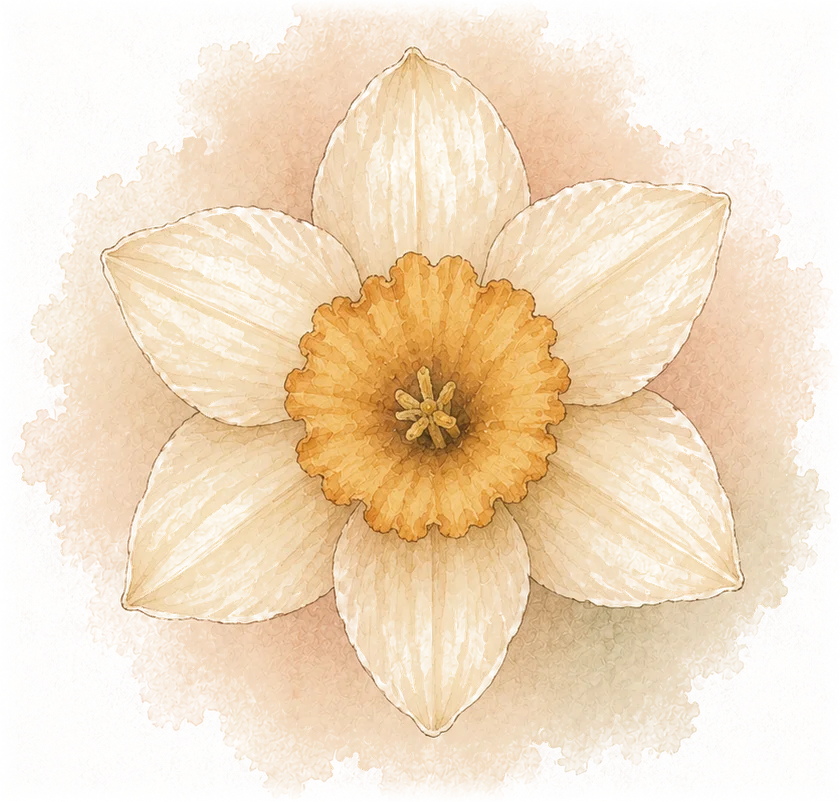 Daffodil
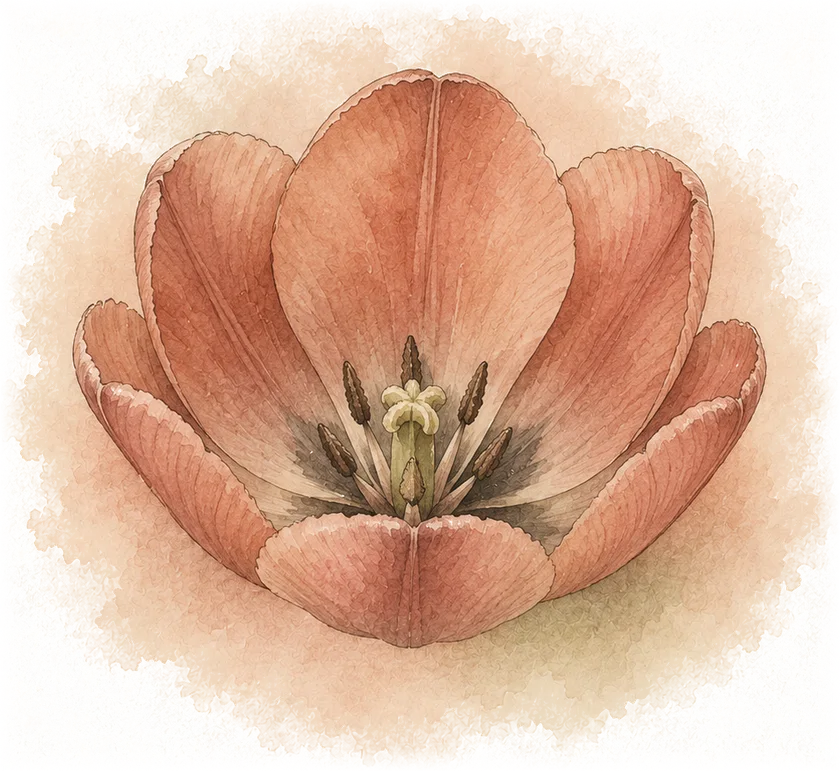 Tulip bloom
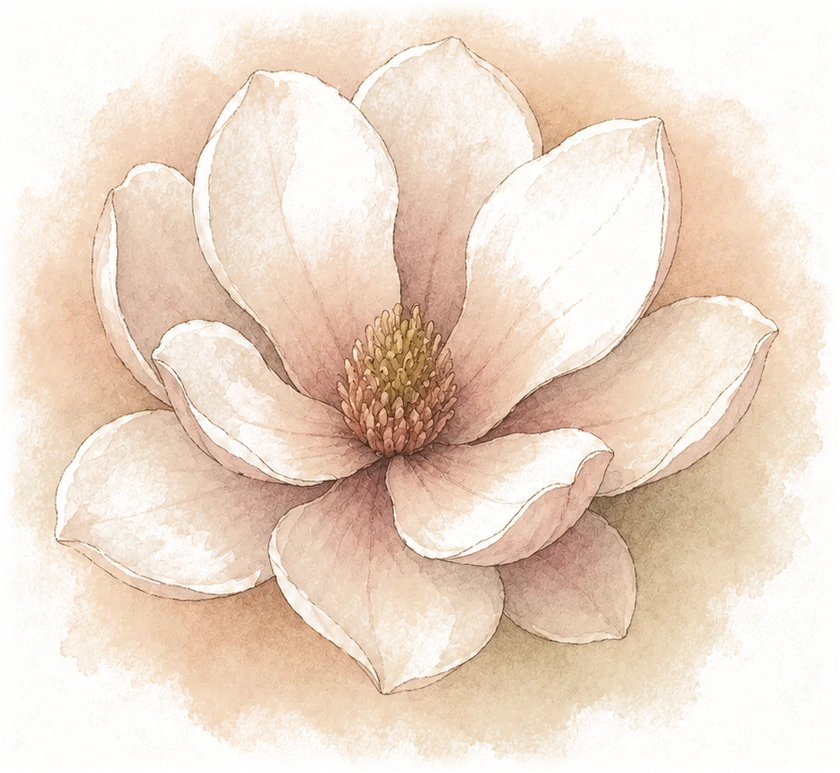 Magnolia bloom
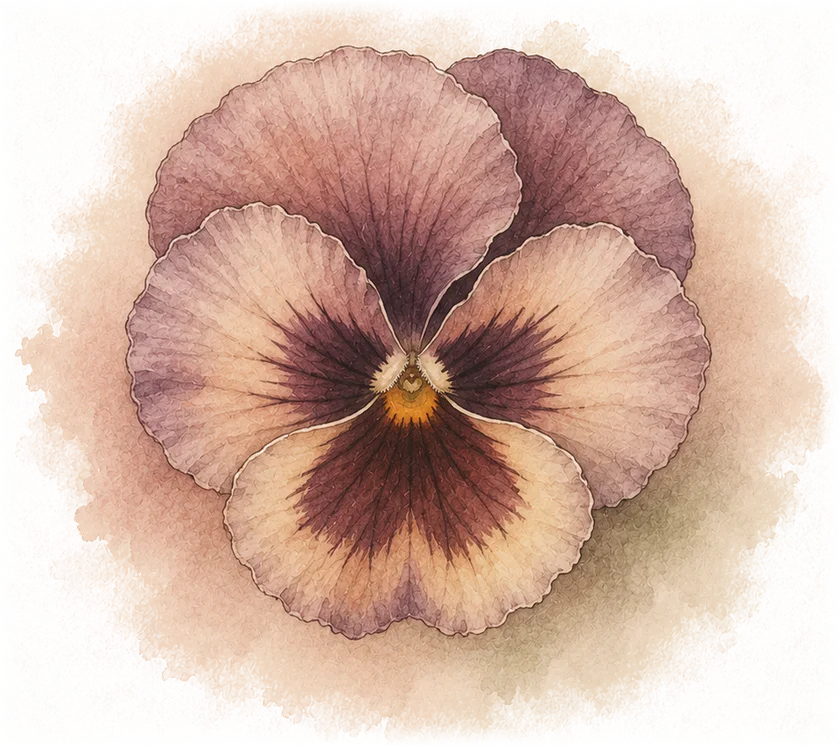 Pansy
Pansy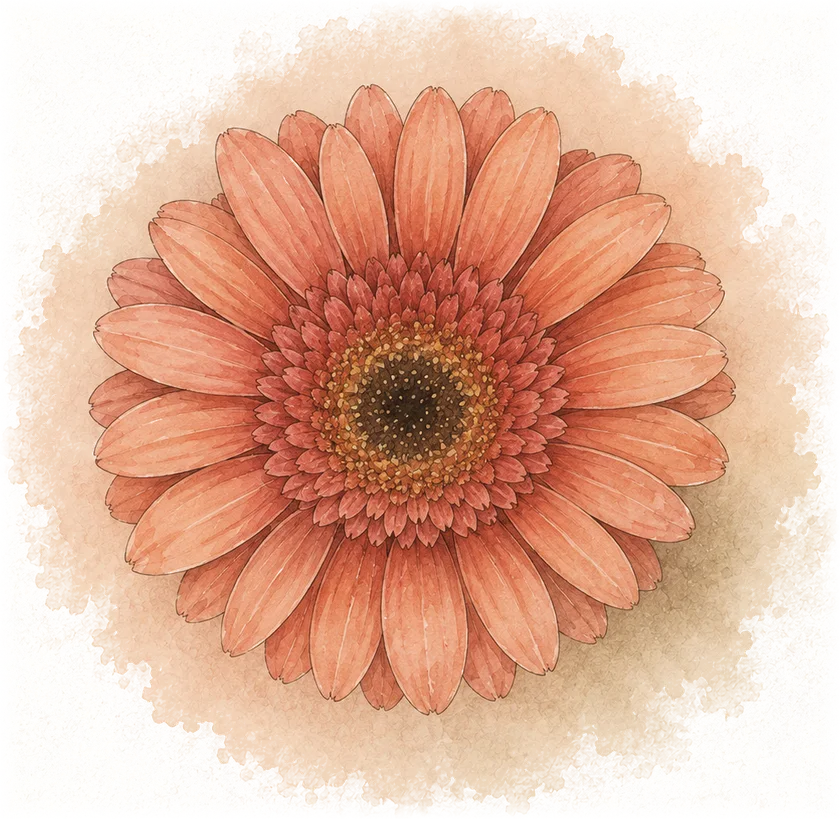 Gerbera daisy
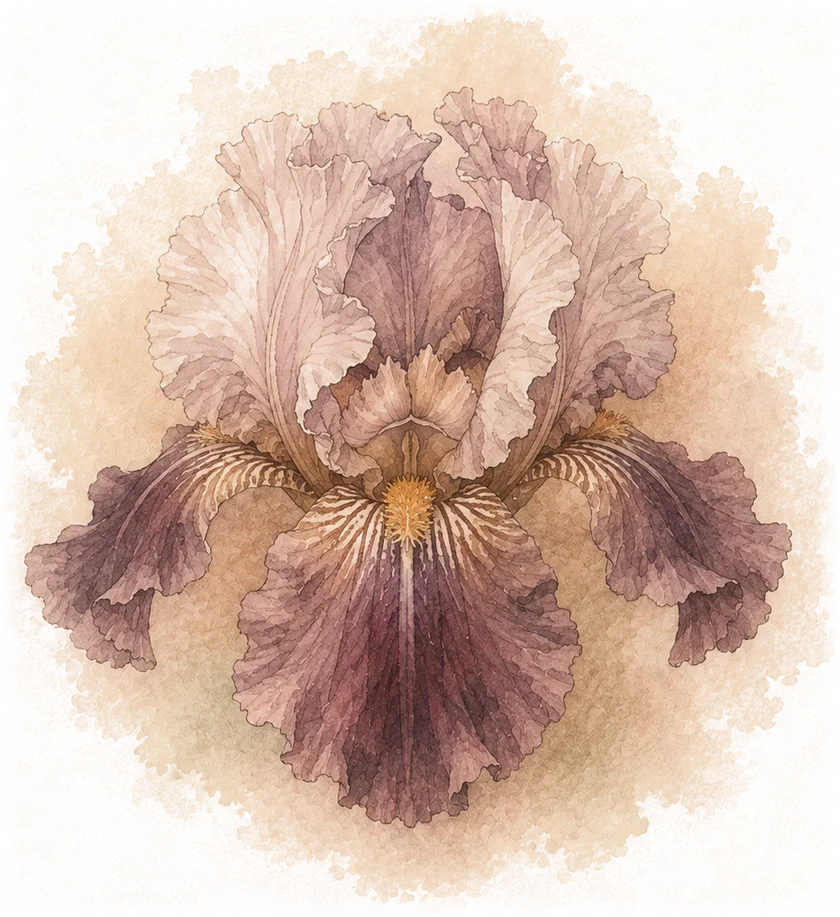 Bearded iris
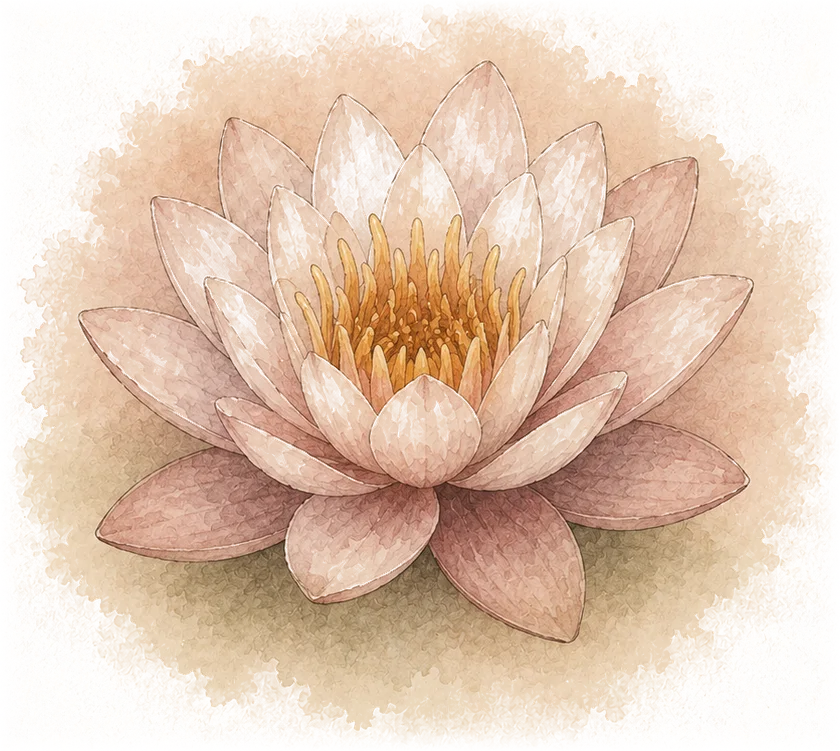 Water lily
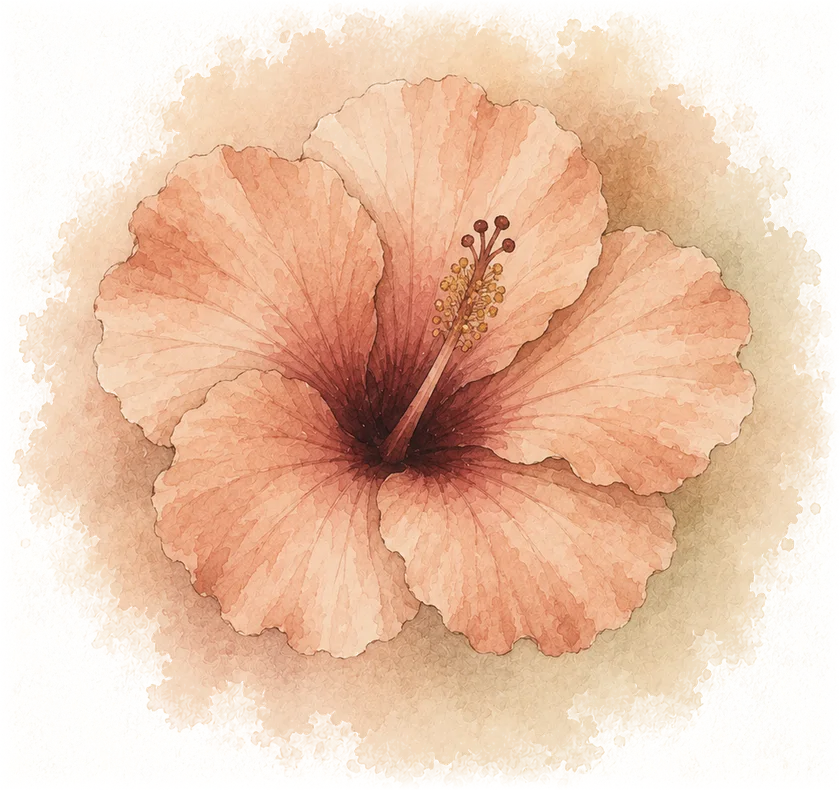 Hibiscus
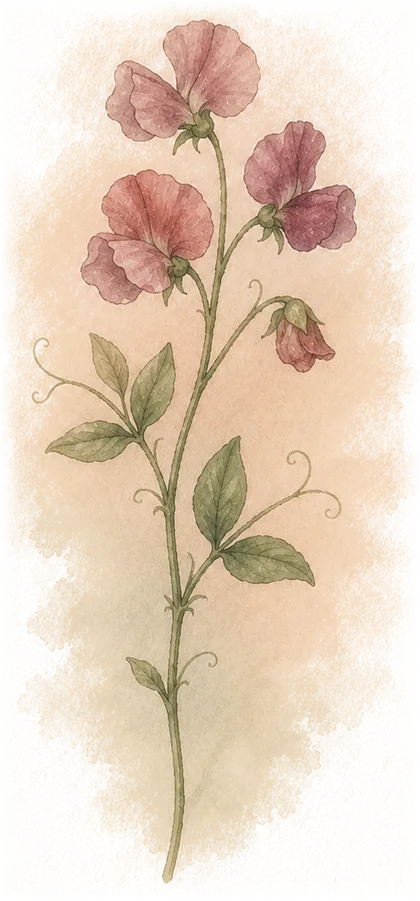 Sweet pea, full stem
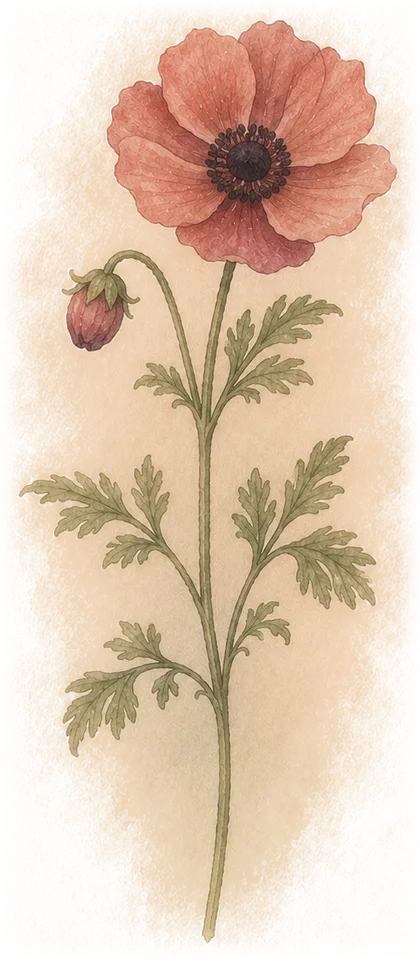 Anemone
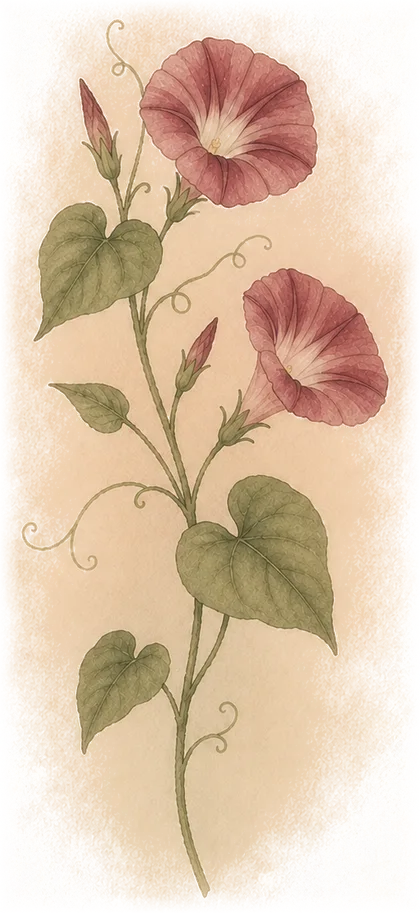 Morning glory
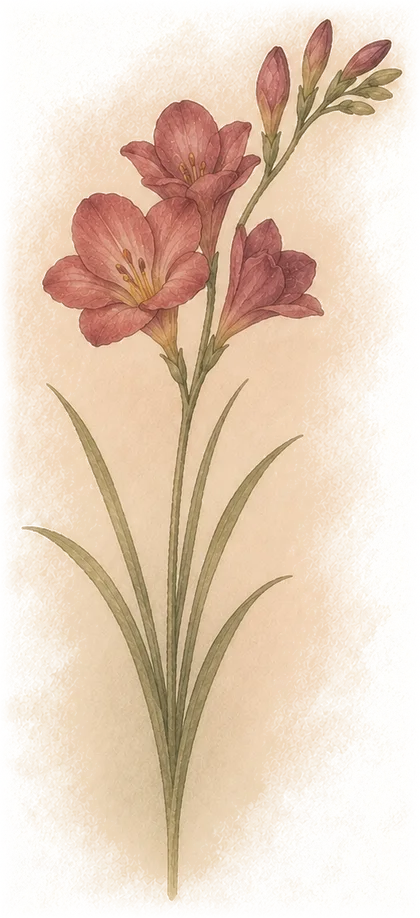 Freesia
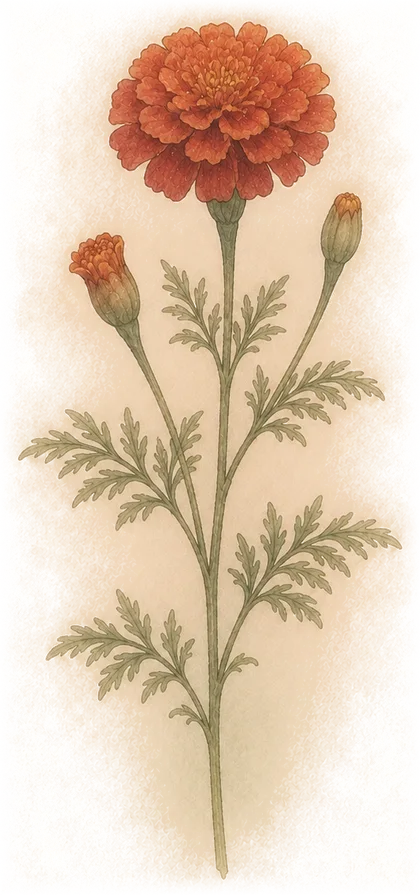 Marigold
 Begonia
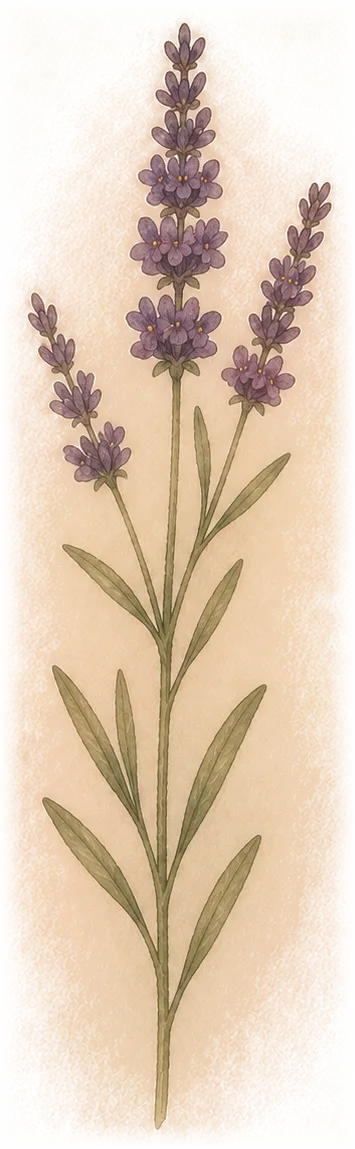 Lavender sprig
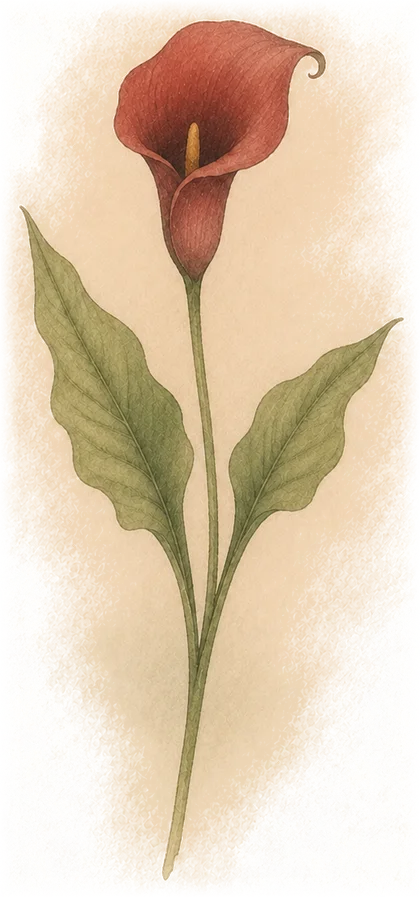 Calla lily
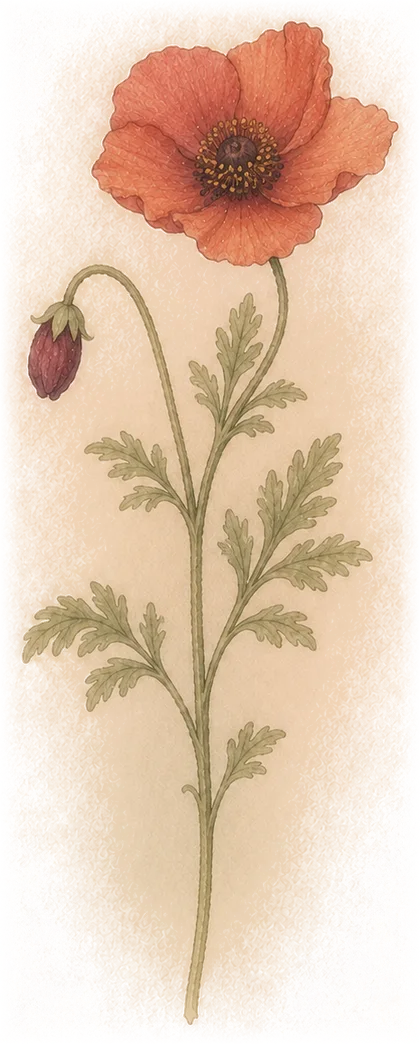 Iceland poppy
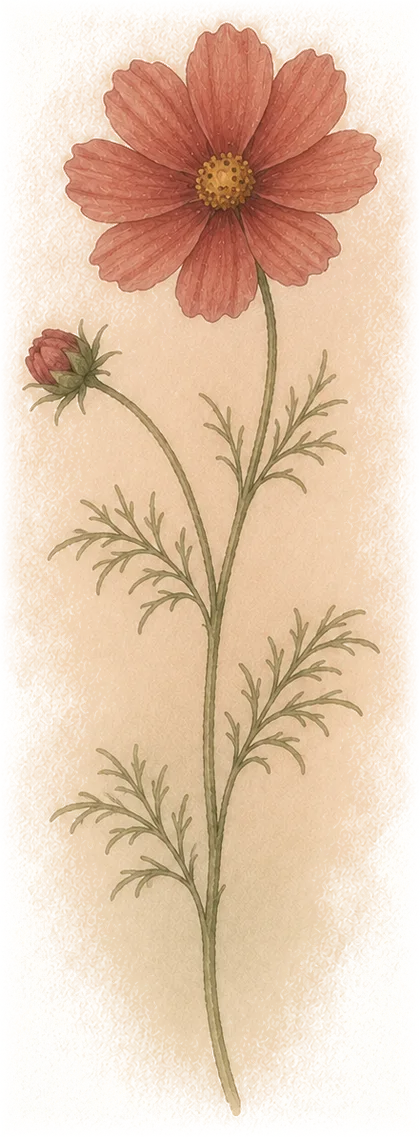 Cosmos
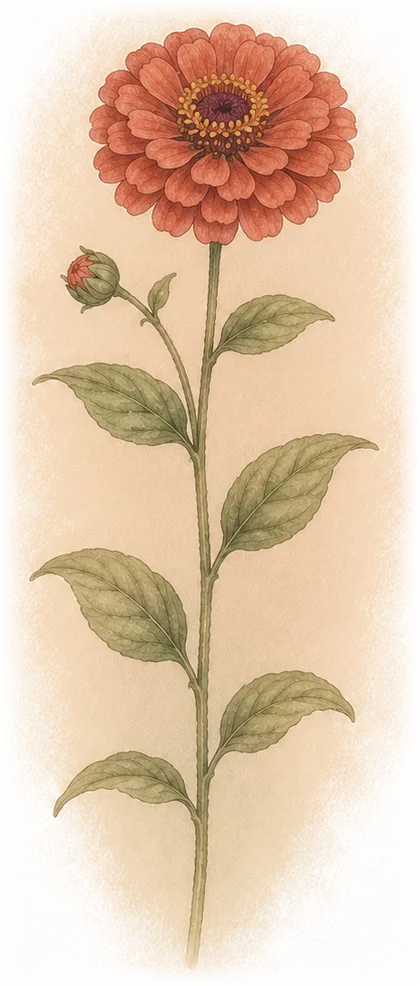 Zinnia
 Black-eyed Susan
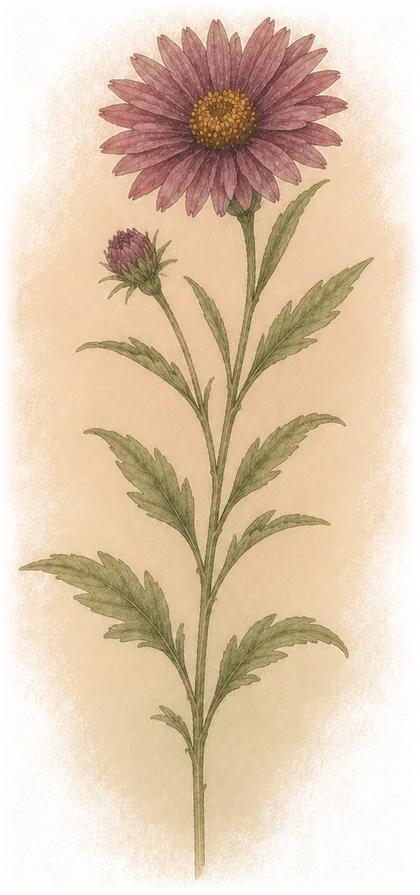 Aster
Aster Hydrangea stem
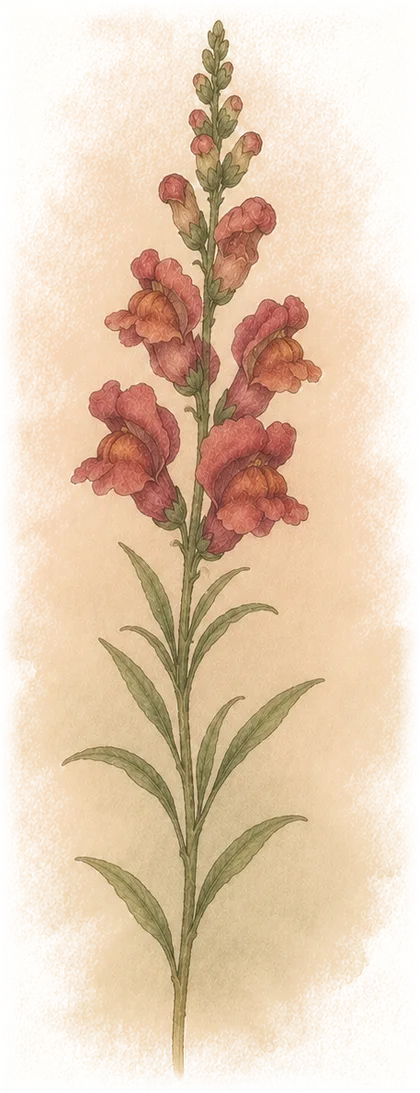 Snapdragon
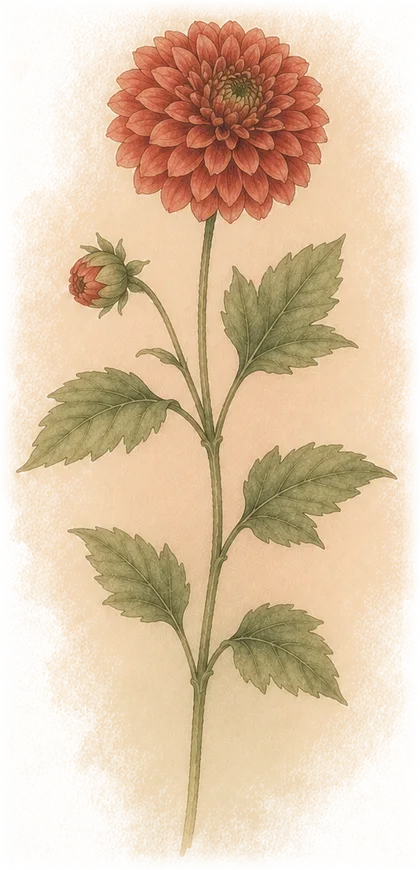 Dahlia, full stem
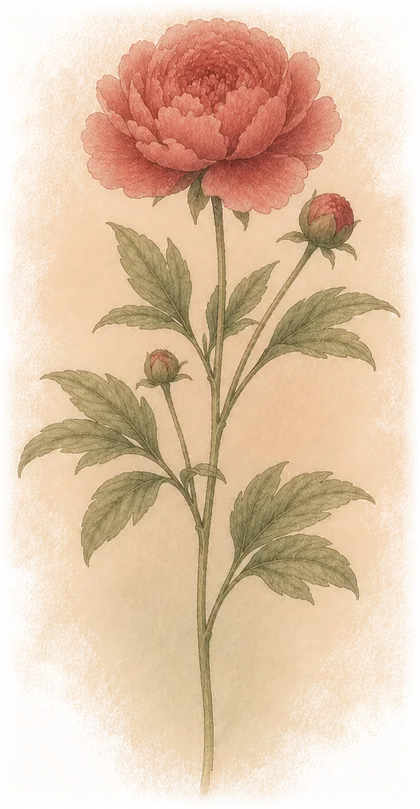 Peony, full stem
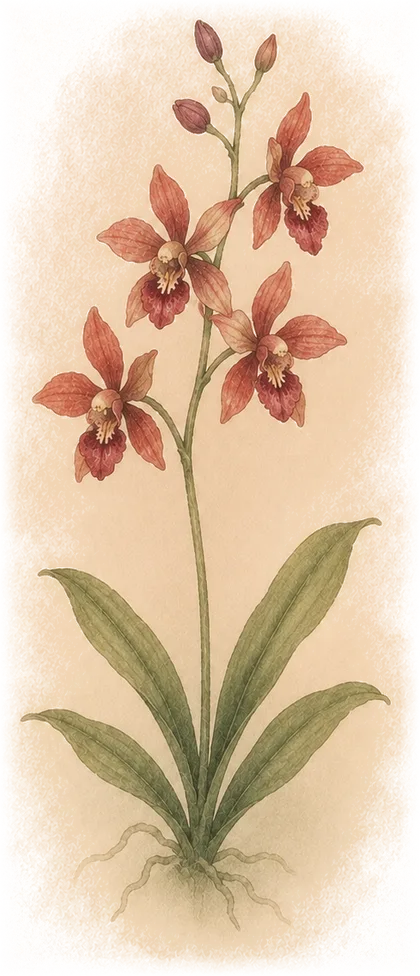 Orchid spike
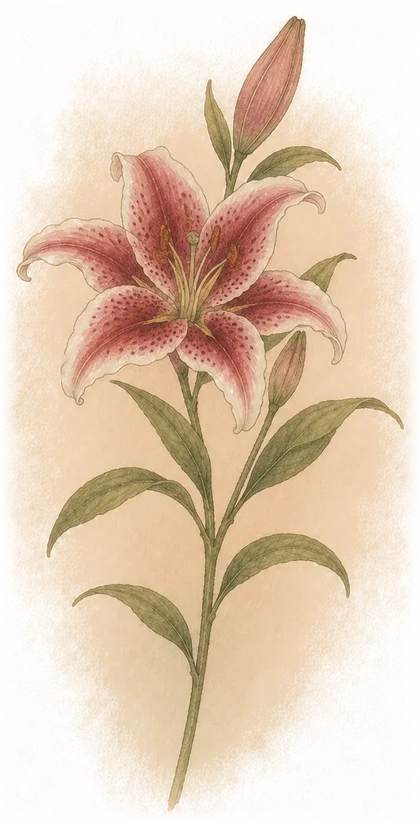 Stargazer lily stem
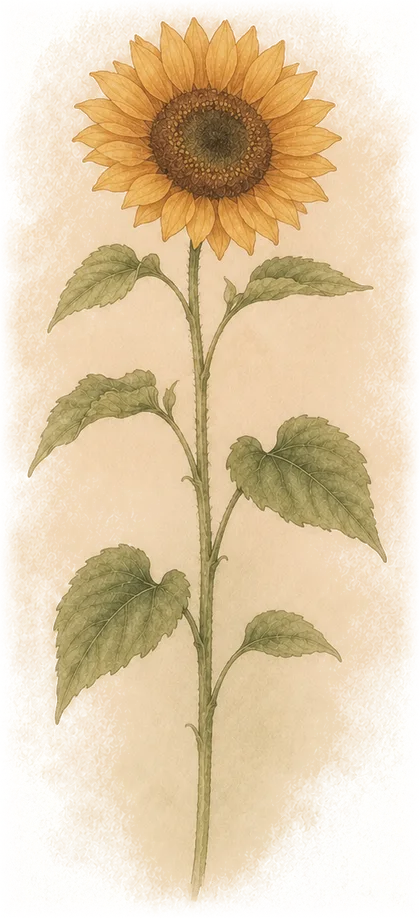 Sunflower, cut stem
 Long-stemmed rose